
Top-Rated Products For Stamped Concrete Service Projects
A curated selection of high-performance tools and materials to elevate your stamped concrete craftsmanship.
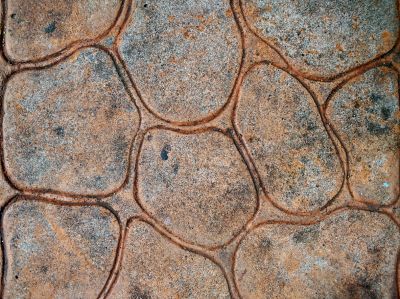 Stamped concrete services in Carmel, IN, often require a variety of specialized products to achieve durable and aesthetically pleasing results. From surface preparation to finishing touches, the selection of appropriate materials can significantly impact the longevity and appearance of stamped concrete installations. Professionals and DIY enthusiasts alike rely on a range of tools, sealers, dyes, and additives to enhance the texture, color, and durability of stamped concrete surfaces.
Top Overall Option
Concrete Sealer and Protective Coating
A high-quality concrete sealer designed for stamped surfaces offers a versatile solution to protect and enhance the appearance of decorative concrete. It provides a durable barrier against stains, moisture, and UV rays, helping to maintain the integrity of the stamped pattern over time. Easy to apply and compatible with various finishes, this product is suitable for both professional contractors and DIY projects aiming for long-lasting results.
Types of Products For Stamped Concrete Service
Color Hardener
Adds vibrant, durable color to concrete surfaces, mimicking natural stone or brick textures.
Integral Concrete Dye
Provides uniform color throughout the concrete mix for consistent appearance.
Release Agent
Facilitates easy removal of stamping tools and prevents color staining.
Stamping Mats and Tools
Imprints patterns and textures onto fresh concrete for decorative effects.
Surface Retarders
Slows the setting of surface layers to create a textured or antiqued look.
Bonding Agents
Ensures proper adhesion between layers or overlays on stamped concrete.
Sealants and Sealers
Protects the finished surface from stains, moisture, and UV damage.
Color Enhancers
Boosts the vibrancy and depth of color applied to stamped surfaces.
Decorative Additives
Incorporates materials like quartz or mica for unique visual effects.
Curing Compounds
Maintains moisture during curing to prevent cracking and ensure strength.
Texturing Agents
Creates additional surface grip or decorative textures.
Anti-slip Coatings
Enhances safety by providing slip-resistant surfaces.
Popular Choices
Widely used for adding durable color and texture to stamped concrete projects.
Commonly used to facilitate pattern stamping and prevent surface staining.
Popular for creating realistic patterns and textures in decorative concrete.
Frequently chosen to protect and enhance stamped surfaces after finishing.
Preferred for achieving uniform coloration within the concrete mix.
Used to develop antiqued or textured finishes on stamped concrete.
Selected to improve adhesion between overlays and existing surfaces.
Popular for adding sparkle or unique visual effects to stamped concrete.
Commonly applied to ensure proper curing and surface integrity.
Increasingly used for safety in high-traffic or outdoor areas.
Chosen to deepen and brighten stamped surface colors.
Popular for creating varied surface finishes and textures.
Frequently used to seal and protect stamped concrete from environmental damage.
Used to incorporate glitter, mica, or other visual elements.
Applied to add a decorative overlay or finish to existing stamped concrete.
The process typically begins with proper surface preparation, which may involve cleaning agents, etching solutions, and bonding agents to ensure the concrete adheres well to subsequent layers. Once the concrete is poured and cured, stamping tools and release agents are used to imprint patterns and textures. Color hardeners and integral dyes are then applied to introduce vibrant hues and realistic stone or brick effects. Finishing products, such as sealers and protective coatings, are essential for sealing the surface against wear, staining, and weathering, thereby extending the lifespan of the stamped pattern.
Choosing the right products for stamped concrete involves understanding the specific needs of each project, including the desired aesthetic, environmental conditions, and traffic levels. High-quality sealers, for example, can provide a matte or glossy finish and protect against UV damage and moisture infiltration. Decorative colorants can be customized to match design themes, while additives can improve workability or enhance surface hardness. Proper product selection ensures a professional-looking result with long-term performance, making it a critical aspect of any stamped concrete service in Carmel, IN.
Key Buying Considerations
- Compatibility with existing or new concrete surfaces to ensure proper adhesion.
- Durability and resistance to environmental factors such as UV rays, moisture, and temperature fluctuations.
- Ease of application, including drying times and application methods suitable for your skill level.
- Desired aesthetic outcome, including color vibrancy, pattern detail, and surface finish (matte or glossy).
- Compatibility of products with each other to prevent adverse reactions or reduced performance.
- Long-term protection capabilities, especially for outdoor or high-traffic areas.
- Cost and availability of products, considering your project scope and budget.
- Environmental conditions in your location that may influence product performance, such as humidity or temperature extremes.
- Brand reputation and product reviews to gauge reliability and effectiveness.
- Safety considerations, including proper handling and ventilation during application.
- Compatibility with overlays or existing decorative finishes if updating or restoring surfaces.
- Time required for curing and finishing to plan your project schedule accordingly.
- Availability of technical support or instructions from suppliers for complex application steps.
- Potential for custom color matching or pattern replication to align with your design vision.
- Maintenance requirements post-application to preserve appearance and protection over time.