Best Timing for Stamped Concrete Service
Choosing the optimal time for stamped concrete service can impact the durability and appearance of the finished surface. Weather conditions, temperature, and humidity are key factors to consider when scheduling this type of project.
Stamped concrete is best installed when temperatures are between 50°F and 85°F to ensure proper curing and setting.
Spring and early fall are popular seasons due to moderate weather, reducing the risk of cracking or improper curing.
Rain, extreme heat, or freezing temperatures can negatively affect the stamping process and final appearance.
Low to moderate humidity levels help prevent issues like surface cracking and uneven curing.
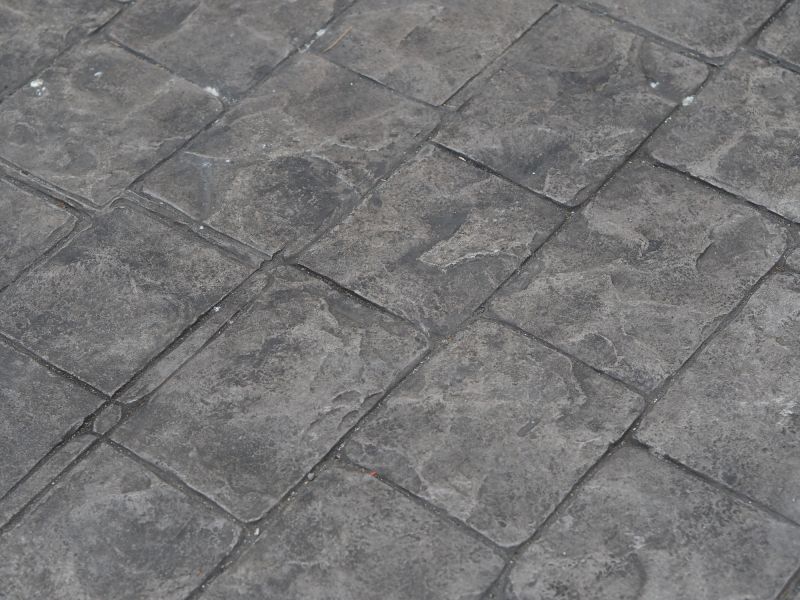
A professional application during optimal weather conditions ensures a durable and attractive surface.
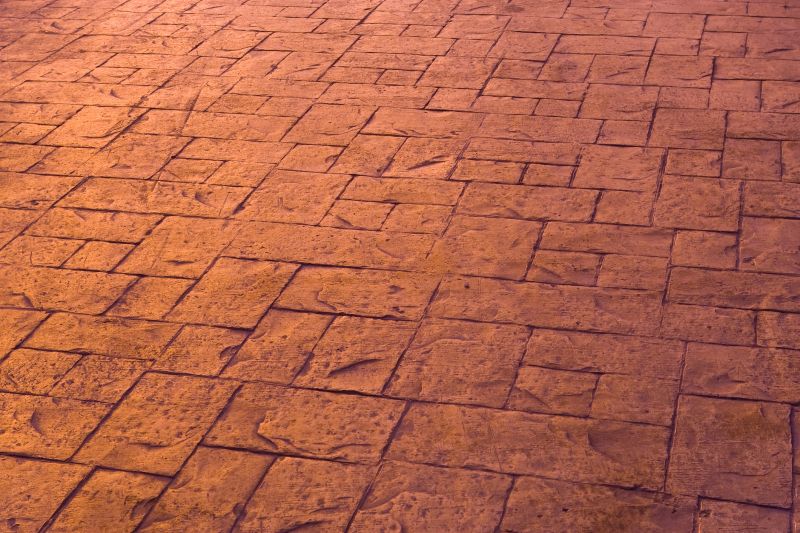
Monitoring weather conditions helps determine the best time to proceed with stamping.
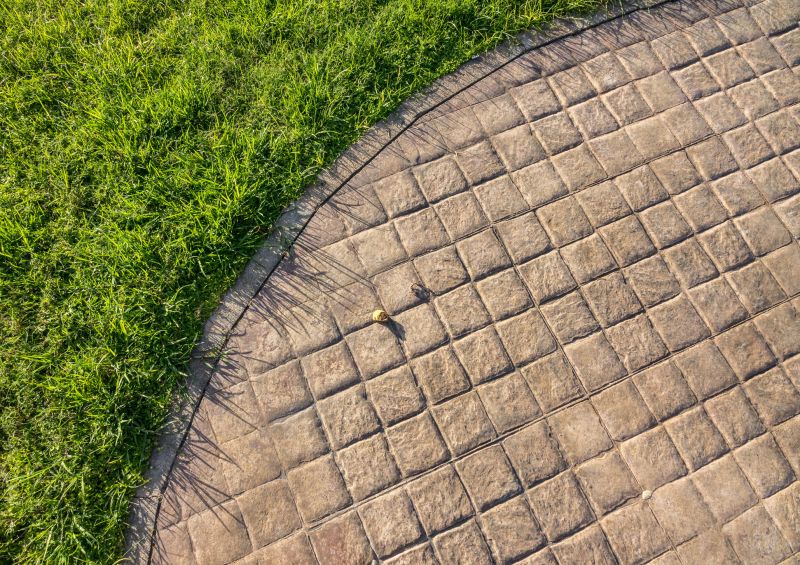
Scheduling projects in spring or fall can improve results and reduce potential issues.
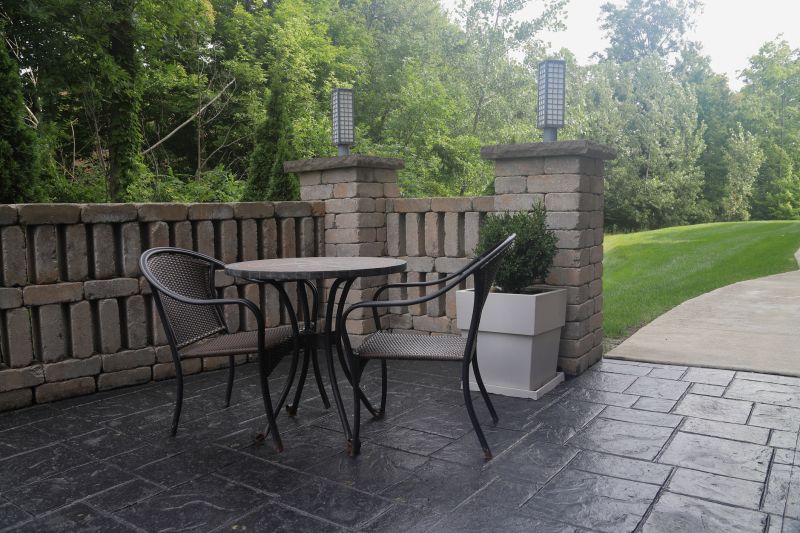
Ways to make Stamped Concrete Service work in tight or awkward layouts.

Popular materials for Stamped Concrete Service and why they hold up over time.
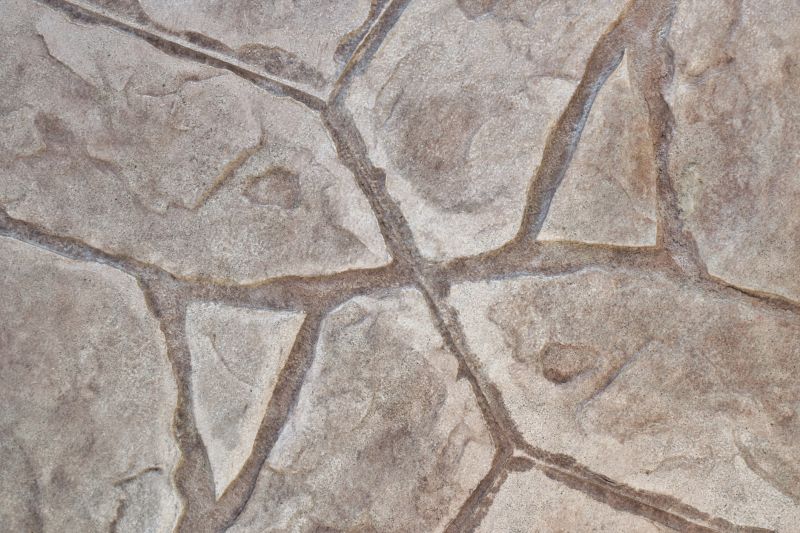
Simple add-ons that improve Stamped Concrete Service without blowing the budget.
| Season | Recommended Conditions |
|---|---|
| Spring | Moderate temperatures, low humidity, dry weather |
| Summer | Early morning or late afternoon to avoid heat extremes |
| Fall | Cool temperatures, dry conditions, moderate humidity |
| Winter | Not recommended due to freezing temperatures and high moisture |
Stamped concrete service involves imprinting patterns and textures onto freshly poured concrete to mimic materials like brick, stone, or tile. This decorative process enhances the aesthetic appeal of driveways, patios, and walkways. Proper timing and weather conditions are crucial to achieving a high-quality finish, as curing and setting times can be affected by environmental factors. Studies indicate that scheduling during ideal weather conditions can extend the lifespan of stamped concrete by reducing cracking and surface defects.
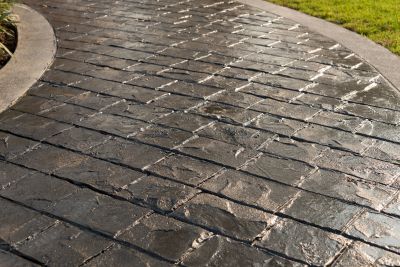
A detailed pattern adds character and value to outdoor spaces.
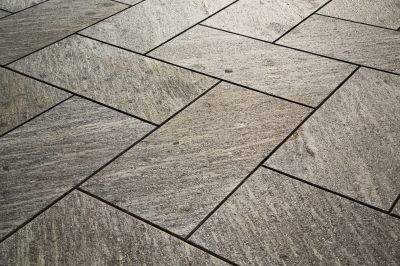
Color additives and textures enhance the visual appeal of stamped concrete.
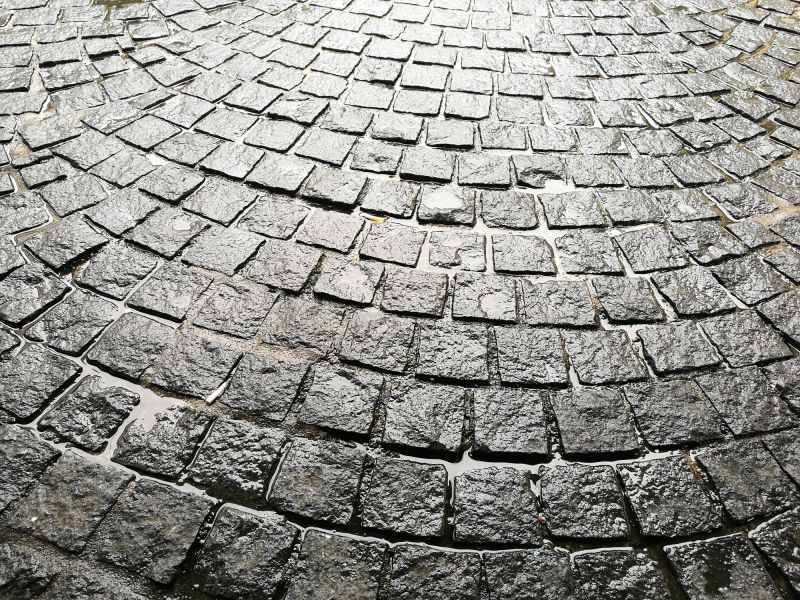
A smooth, patterned surface showcases the design's detail and craftsmanship.
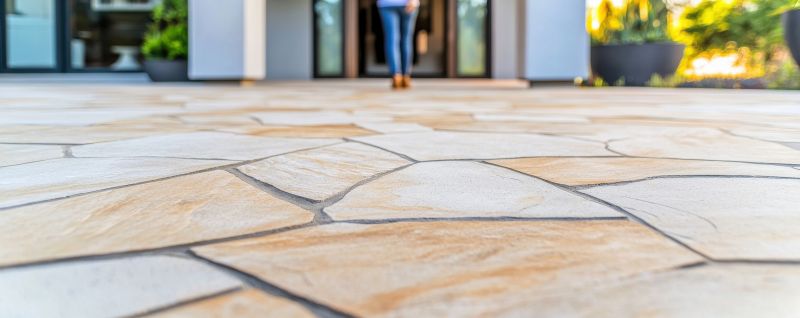
Stamped concrete transforms patios into attractive, functional areas.
Scheduling stamped concrete service at the right time ensures optimal curing, reduces the risk of surface defects, and maximizes the longevity of the finished surface. Proper planning around weather conditions and seasonal trends can lead to more consistent and appealing results. For those interested in enhancing their outdoor spaces with decorative concrete, it is advisable to consult with professionals to determine the best timing based on local climate patterns.
Individuals seeking stamped concrete services are encouraged to contact for scheduling and consultation to ensure the project aligns with favorable weather conditions, promoting durability and aesthetic quality.